
The Speakers
SAY HELLO TO
OUR SPEAKERS


Maher Albitar, MD
Chief Executive Officer
Genomic Testing Cooperative
Professor
Hackensack Meridian School of MedicineMaher Albitar, MD
Chief Executive Officer
Genomic Testing Cooperative
Professor
Hackensack Meridian School of MedicineDr. Albitar has extensive experience in anatomic/clinical pathology, hematopathology, and molecular pathology. He also has extensive business and administrative experience as an executive leader of large laboratories, Board member, and director of large scientific and genomic diagnostic studies. Until recently, Dr. Albitar was the Senior Vice President, Chief Medical Officer and Director of Research and Development at NeoGenomics.
He is credited with transforming the NeoGenomics Laboratories from FISH testing company to a company offering the most sophisticated molecular testing. Prior to NeoGenomics, Dr. Albitar served as the Medical Director for Hematopathology and Oncology, Nichols Institute, Quest Diagnostics, and Chief R&D for Hematopathology and Oncology for Quest Diagnostics from 2003 to 2010. From 1991 to 2003, Dr. Albitar held various faculty positions at the University of Texas MD Anderson Cancer Center, including Section Chief of Leukemia Section in Laboratory Medicine and Pathology Department, Director of the molecular laboratory and Director of Hematopathology Fellowship program.
Dr. Albitar was a tenured full professor in Pathology and Leukemia at the time of leaving MD Anderson Cancer Center. Dr. Albitar is certified AP/CP pathologist with fellowship training in Hematopathology and molecular pathology. After his training in Hematopathology, Dr. Albitar spent 4 years in Physician/Scientist training program at the University of Pennsylvania/Howard Hughes Medical Institute and the Department of Genetics. Dr. Albitar has published more than 300 peer-reviewed papers, book chapters, and review articles. He is the lead inventor on more than 50 different patents and patent applications.

Ivan Marques Borrello, MD
Medical Director, Myeloma, Bone Marrow Transplant and Cell Therapies Program
Tampa General Hospital Cancer InstituteIvan Marques Borrello, MD
Medical Director, Myeloma, Bone Marrow Transplant and Cell Therapies Program
TGH Cancer InstituteDr. Ivan Borrello is a hematologist-oncologist and physician-scientist internationally recognized for his pioneering work in the immunotherapy of hematologic malignancies, including multiple myeloma, leukemia, and lymphoma. As Medical Director of the Myeloma, Bone Marrow Transplant and Cell Therapies Program at the Tampa General Hospital Cancer Institute, he leads a multidisciplinary team advancing innovative approaches in cellular and immune-based cancer treatments.
Before joining Tampa General, Dr. Borrello spent nearly two decades at the Johns Hopkins Sidney Kimmel Comprehensive Cancer Center, where he served as Medical Director of the Cell Therapy Laboratory and Director of the Multiple Myeloma Program. He was also a member of the Cancer Immunology and Immunotherapy Program and the Cellular and Molecular Medicine Graduate Program, contributing significantly to translational research and mentoring the next generation of physician-scientists.
Dr. Borrello earned his medical degree from the Medical College of Virginia, completed his residency in internal medicine at the University of Chicago, and his fellowship in medical oncology at the Johns Hopkins Oncology Center. Fluent in English, Italian, Spanish, and Portuguese, he brings a global perspective to cancer research and patient care.
His research focuses on developing immune-based strategies for multiple myeloma and related disorders, with more than 100 peer-reviewed publications in leading journals such as The New England Journal of Medicine, Nature Medicine, and Science Translational Medicine. Dr. Borrello’s work has led to multiple patents and novel therapeutic approaches that continue to shape the field of cellular immunotherapy.

Hetty E. Carraway, MD, MBA
Director of the Leukemia Program for Taussig Cancer Institute
Case Western ReserveHetty E. Carraway, MD, MBA
Professor of Medicine
Vice Chair for Strategy and Enterprise Development
Director of the Leukemia Program
The Taussig Cancer InstituteProfessor of Medicine
Cleveland Clinic Lerner College of Medicine at Case Western ReserveDr. Carraway is Vice Chair for Strategy and Enterprise Development, Director of the Leukemia Program for Taussig Cancer Institute and Professor of Medicine at Cleveland Clinic Lerner College of Medicine at Case Western Reserve. Her clinical focus is the treatment of adult patients with malignant myeloid and lymphoid neoplasms such as myelodysplastic syndromes, acute myeloid leukemia and acute lymphoblastic leukemia. She works as a translational clinical scientist with an emphasis on bringing novel agents to adult patients diagnosed with malignant blood disorders, primarily through phase 1 and 2 clinical trials.
Dr. Carraway received her Bachelor of Arts degree with a double major in neuroscience and biology from Brandeis University. She earned her medical degree from the University of Massachusetts Medical School. She completed her internship and residency as well as a medical oncology fellowship at The Johns Hopkins Hospital. She earned a master’s degree in business administration in Business of Health from the Carey Business School at Johns Hopkins University.

Julio Chavez, MD, MS
Senior Associate Consultant, Division of Hematology/Oncology
Mayo Clinic — Jacksonville, FloridaJulio Chavez, MD, MS
Senior Associate Consultant, Division of Hematology/Oncology
Mayo Clinic — Jacksonville, FloridaDr. Julio Chavez is a Senior Associate Consultant in the Division of Hematology/Oncology at Mayo Clinic in Jacksonville, Florida, where he serves as the lymphoma lead and a principal investigator in clinical and translational research. He is an expert in the management and investigation of lymphoid malignancies, with a particular focus on aggressive B-cell lymphomas, targeted therapies, immunotherapies, and cellular therapies including CAR-T cell approaches.
Dr. Chavez earned his medical degree from Universidad Peruana Cayetano Heredia in Lima, Peru, and completed residency training in internal medicine in the United States, followed by advanced fellowship training in hematology and medical oncology. He is board-certified in Internal Medicine and Medical Oncology and has dedicated his career to improving outcomes for patients with complex lymphoid malignancies through both innovative clinical care and research.
As a clinical investigator, Dr. Chavez has served as principal investigator on multiple trials evaluating targeted agents, immunotherapy combinations, and novel cellular therapies, contributing to studies that have shaped FDA-approved treatment paradigms. His work has been published in high-impact journals including Journal of Clinical Oncology, Blood, and New England Journal of Medicine, and he is a frequent presenter at major national and international conferences such as the American Society of Hematology (ASH) and the American Society of Clinical Oncology (ASCO).
Dr. Chavez’s clinical and research program emphasizes translational science and individualized patient care, bridging advances in lymphoma biology with practical therapeutic strategies to expand and optimize options for patients across the disease spectrum.

Madhav Dhodapkar, MBBS
Scientific Director, Multiple Myeloma Program
Fred Hutchinson Cancer CenterMadhav Dhodapkar, MBBS
Professor, Translational Science & Therapeutics Division
Scientific Director, Multiple Myeloma Program
Milton B. Rubin Family Endowed Chair
Fred Hutchinson Cancer CenterDr. Madhav Dhodapkar is a Professor in the Translational Science & Therapeutics Division at Fred Hutchinson Cancer Center and Scientific Director of its Multiple Myeloma Program, where he holds the Milton B. Rubin Family Endowed Chair. He is a board-certified hematologist-oncologist and internationally recognized leader in cancer immunology and translational research focused on plasma cell disorders, including multiple myeloma, monoclonal gammopathy of undetermined significance (MGUS), AL amyloidosis, and related malignancies.
Dr. Dhodapkar’s research integrates fundamental insights in cancer immunology with innovative clinical investigation. His work has advanced understanding of dendritic cell biology and immune regulation in malignant plasma cell disorders, and he led seminal studies demonstrating the anti-myeloma effects of thalidomide as well as key U.S. cooperative group trials in precursor gammopathies and AL amyloidosis. His program also co-led pivotal national Phase III efforts aimed at preventing clinical multiple myeloma in high-risk populations.
Prior to joining Fred Hutch, Dr. Dhodapkar held leadership roles at major academic centers where he forged multidisciplinary collaborations bridging immunology, translational science, and patient-centered clinical trials. He completed residency and fellowship training in internal medicine, hematology, and medical oncology at St. Louis University and Mayo Clinic, respectively, after earning his medical degree from the All India Institute of Medical Sciences.
Dr. Dhodapkar’s contributions have been recognized with distinguished honors, including the National Cancer Institute Outstanding Investigator Award and the NIH Director’s Transformative Research Award. He also holds an academic appointment in the Division of Hematology and Oncology at the University of Washington School of Medicine.
A committed mentor and collaborator, Dr. Dhodapkar continues to push the frontiers of immune-based therapeutics and individualized approaches for plasma cell disorders, with a vision toward transforming prevention, detection, and treatment paradigms in the coming decade.

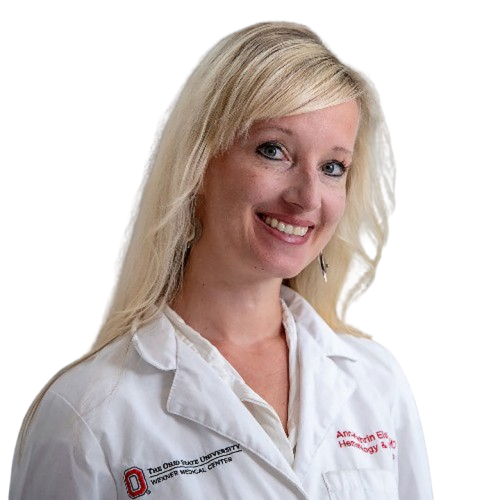
Ann-Kathrin Eisfeld, MD
Director, Clara D. Bloomfield Center for Leukemia Outcomes Research
The Ohio State University Comprehensive Cancer CenterAnn-Kathrin Eisfeld, MD
Associate Professor of Internal Medicine, Division of Hematology
Director, Clara D. Bloomfield Center for Leukemia Outcomes Research
The Ohio State University Comprehensive Cancer CenterDr. Ann-Kathrin Eisfeld is an Associate Professor of Internal Medicine in the Division of Hematology at The Ohio State University and Director of the Clara D. Bloomfield Center for Leukemia Outcomes Research at the Ohio State University Comprehensive Cancer Center – James. She is a physician-scientist whose research focuses on the genetic and molecular determinants of acute myeloid leukemia (AML), with an emphasis on integrating genomics into risk stratification, prognostication, and personalized therapeutic strategies.
Dr. Eisfeld completed her medical education at the University of Leipzig in Germany and pursued residency and fellowship training in hematology and oncology before joining The Ohio State University for advanced translational research. Her work encompasses large-scale genomic sequencing studies that elucidate the diverse molecular landscape of AML and related hematologic malignancies, aiming to refine disease classification and improve outcomes for patients across demographic groups.
Under her leadership, the Clara D. Bloomfield Center for Leukemia Outcomes Research conducts collaborative studies that bridge clinical, genetic, and demographic data to uncover prognostic insights and address disparities in leukemia outcomes. Dr. Eisfeld’s research has demonstrated how genetic and socio-demographic factors influence treatment response and survival, contributing to more nuanced approaches in precision oncology.
A committed mentor and educator, Dr. Eisfeld advances the next generation of physician-scientists while maintaining active clinical engagement, ensuring that scientific discovery translates meaningfully to patient care.

Andre Goy, MD
Vice President Physician-in-Chief Oncology
John Theurer Cancer CenterAndre Goy, MD
Vice President Physician-in-Chief Oncology
Chairman & Chief Physician Officer - John Theurer Cancer Center
Lydia Pfund Chair for Lymphoma
Academic Chairman Oncology- Hackensack Meridian School of Medicine
Professor of Medicine – Georgetown UniversityAndre Goy, M.D. is Physician-in-Chief for Hackensack Meridian Health Oncology Services and Chairman of John Theurer Cancer Center as well as Founding Chair of Oncology at the Hackensack Meridian Health (HMH) School of Medicine and Professor of Medicine at Georgetown University in Washington, DC.
HMH is New Jersey’s largest healthcare system (18 hospitals and over 38,000 employees), and John Theurer Cancer Center, its flagship cancer program, is recognized as the state’s largest and #1 in New Jersey, as well as among the Top 50 cancer programs by U.S. News & World Report.
JTCC is a member of the NCI-designated Lombardi Comprehensive Cancer Center Consortium and also a member of the Memorial Sloan Kettering / MSKCC - Hackensack Meridian Health partnership.
Dr. Goy also leads the Lymphoma Program at JTCC and is widely known for his work, particularly in aggressive lymphoma and mantle cell lymphoma, especially around novel therapies, immunotherapy, and CAR T cells. He has served on the NCI steering committee for lymphoma and on the Scientific Advisory Board of the Lymphoma Research Foundation. Dr. Goy has published more than 250 peer-reviewed papers and serves as a reviewer for many journals in the field, including the New England Journal of Medicine, the Journal of Clinical Oncology, and Blood, among others.
Dr. Goy brought best-in-class genomics liquid biopsy technology platforms to support precision and personalized medicine in cancer patients. He is a co-founder of COTA Healthcare, an analytics company focused on improving treatment decisions in cancer care, enhancing patient outcomes, and providing clarity for physicians and patients at the point of care.
In collaboration with Steven Rosenberg, Chief of Surgery and Immunology at the NCI, Dr. Goy led efforts to bring CAR T-cell therapy—one of the most transformative cancer therapies in over three decades—to John Theurer Cancer Center, making it a pioneer in gene and living cell therapies. He believes the future of cancer treatment will increasingly rely on cell therapy rather than traditional pharmaceuticals, empowering the immune system to cure cancer.
Dr. Goy believes we are at an inflection point in medicine due to rapid advances in science and technology reshaping healthcare. He co-chaired the Global Council on the Future of Health and Healthcare for the World Economic Forum from 2015 to 2019 and has participated in WEF meetings annually.
Because cancer is a complex, costly, and growing global challenge—with incidence expected to rise by over 60% in the next 25 years—Dr. Goy believes cancer care can serve as a model for reinventing healthcare delivery. He launched initiatives focused on cancer prevention (Pre-Cancer) and recurrence prevention (Post-Cancer), while also advancing home-based chemotherapy and patient-centered recovery strategies.
He strongly advocates lifestyle interventions, recommending exercise for all patients and emphasizing the importance of nutrition. He established a nutrition program with a demonstration kitchen to teach patients how to cook and support long-term health. He also promotes plant-based diets, which have shown strong results in improving patient outcomes and reducing medication dependence.
Dr. Goy believes future medicine will focus increasingly on preventive and proactive care, supported by molecular monitoring and lifestyle-based interventions. He notes that up to 50% of cancers are preventable through lifestyle changes, which can also reduce chronic diseases and healthcare costs.
He emphasizes the importance of the microbiome, noting that nearly half of the body’s cells are non-human microorganisms that play a critical role in metabolism and immune function.
Dr. Goy believes that in the future, food will increasingly be recognized as medicine.
Finally, Dr. Goy founded the cancer survivorship event “Celebrating Life and Liberty” in 2009, which has grown to include thousands of patients and caregivers, with notable supporters including Aretha Franklin.
After completing medical school at the University Joseph Fourier School of Medicine in Grenoble, France, Dr. Goy trained in Hematology/Oncology and Immunology at the University Hospital System and Pasteur Institute in Paris. He later served on faculty at Memorial Sloan Kettering and MD Anderson Cancer Center for over 15 years before joining Hackensack Meridian Health. He is currently enrolled in the MIT Executive MBA program, Class of 2026.
Jennifer Hanle, MSN, AGPCNP-BC
Nurse Practitioner
Multiple Myeloma, Bone Marrow Transplant and Cell Therapy Programs
Tampa General Hospital Cancer InstituteJennifer Hanle
Nurse Practitioner
Multiple Myeloma, Bone Marrow Transplant and Cell Therapy Programs
Tampa General Hospital Cancer InstituteJennifer Hanle is a board-certified Nurse Practitioner specializing in multiple myeloma, hematopoietic stem cell transplantation, and cellular therapy. She has over 15 years of oncology nursing experience and went on to become a nurse practitioner in order to further advance her role in the care of patients with multiple myeloma. She previously worked at Johns Hopkins Sidney Kimmel Comprehensive Cancer Center and came to Tampa in October 2022 to build the myeloma and BMT/Cell Therapy programs at Tampa General Hospital.

Ankit Kansagra, MD
Hematologist-Oncologist
Physician Scientist
Tampa General Hospital Cancer InstituteAnkit Kansagra, MD
Hematologist-Oncologist
Physician Scientist
Tampa General Hospital Cancer InstituteDr. Kansagra is a highly accomplished hematologist-oncologist and physician-scientist with a distinguished academic career at UT Southwestern Medical Center. There, he served as Assistant Director of the Outpatient Stem Cell & Cellular Therapy Program and founded the nationally recognized UT Southwestern Multidisciplinary Amyloidosis Program. He played a pivotal role in building UT Southwestern’s cellular therapy program, leading numerous clinical trials including pioneering work with the first BCMA CAR-T therapy in multiple myeloma as well as multiple investigator-initiated studies advancing novel immunotherapies.
A recipient of the prestigious Eugene P. Frenkel, M.D. Scholar of Clinical Medicine Award, Dr. Kansagra received a $1 million grant to support his career development and expand the amyloidosis program, in addition to securing millions in NIH, CPRIT, and industry funding as a principal and co-investigator. His landmark MAMMOTH trial helped shape FDA drug approvals and established new standards for myeloma clinical trials, with high-impact publications in JAMA Oncology, Leukemia, and other leading journals.
Dr. Kansagra has also led the development of international clinical guidelines for CAR-T cell therapy and amyloidosis, collaborating with organizations including ASH and ASBMT–EBMT.

Alan Kerr, II, MD, PhD
Hematologist-Oncologist
Physician Scientist
Tampa General Hospital Cancer InstituteAlan Kerr, II, MD, PhD
Hematologist-Oncologist
Physician Scientist
Tampa General Hospital Cancer InstituteDr. D. Alan Kerr is a hematologist-oncologist and physician scientist with Tampa General Hospital, where he previously conducted continuity clinic work with a focus on malignant hematology. He specializes in benign and malignant hematology as well as solid tumor oncology.
Prior to joining Tampa General, Dr. Kerr treated patients in a private community practice at Advanced Cancer Treatment Centers (ACTC) in Brooksville, Fla., after completing a three-year hematology and medical oncology fellowship program with Moffitt Cancer Center/University of South Florida. Before that, he completed an internal medicine residency program at the University of Louisville in Kentucky, where he served as a chief medical resident. In the same department, he followed his passion for teaching future medical professionals as an assistant professor from 2015-16. Dr. Kerr received his medical degree from the University of Louisville School of Medicine and holds a Ph.D. in biochemistry and molecular biology from the University of Louisville.
Dr. Kerr is a site investigator for numerous active clinical trials and his primary clinical interests include lymphomas and myeloid diseases. Well-versed in translational research and clinical research protocols, Dr. Kerr is credited with several publications, oral presentations and abstracts on a wide range of oncology topics. He is a diplomat of the American Board of Internal Medicine and has memberships with the American Society of Clinical Oncology and the American Society of Hematology.
Jonathan Moreira, MD
Associate Professor of Medicine, Division of Hematology/Oncology
Feinberg School of Medicine
Northwestern UniversityJonathan Moreira, MD
Associate Professor of Medicine, Division of Hematology/Oncology
Feinberg School of Medicine
Northwestern UniversityDr. Jonathan Moreira, MD is an Associate Professor of Medicine in the Division of Hematology/Oncology at Northwestern University’s Feinberg School of Medicine and a practicing hematologist-oncologist at Northwestern Medicine in Chicago. He specializes in the management of hematologic malignancies including leukemia, lymphoma, and myelodysplastic syndromes, and is actively involved in innovative clinical care and translational research aimed at improving outcomes for patients with blood cancers.
Dr. Moreira earned his medical degree from Loyola University Chicago Stritch School of Medicine, completed his residency in Internal Medicine at Mayo Clinic College of Medicine and Science in Rochester, and pursued fellowship training in Hematology/Oncology at Northwestern University’s Feinberg School of Medicine. He is board-certified in Internal Medicine, Hematology, and Medical Oncology, reflecting his comprehensive clinical expertise.
In his clinical practice and research, Dr. Moreira focuses on integrating advanced therapeutics—including targeted agents and cellular therapies such as CAR-T cell therapy—into personalized treatment strategies for patients with complex hematologic cancers. He is committed to advancing clinical trials and multidisciplinary approaches to care, with an emphasis on translating scientific insights into meaningful improvements in patient outcomes.
Dr. Moreira is also dedicated to academic medicine and mentorship, contributing to the education and professional development of trainees in hematology/oncology while maintaining active involvement in clinical research and academic leadership at Northwestern

Logan Murray, PA
Certified Physician Assistant
Tampa General Hospital Cancer InstituteLogan Murray, PA
Certified Physician Assistant
Tampa General Hospital Cancer InstituteLogan Murray is a certified physician assistant who specializes in medical oncology primarily in the care of leukemias and lymphomas and prides himself on delivering world-class, compassionate care. Before joining Tampa General, he treated malignant hematology patients in an inpatient setting at Moffitt Cancer Center in Tampa and was a nominee for the Moffitt APP of the Year Award in 2022. At Moffitt Cancer Center, Logan managed patients who needed different levels of care and also served as a mentor and preceptor to new and prospective advanced practice providers.
Prior to beginning his career as a physician assistant in 2019, Logan earned his Master of Physician Assistant Studies at the University of Florida College of Medicine in Gainesville, where he has worked as a tutor for physician assistant students. He received his bachelor's degree in biology from the University of Florida.
Logan is a member of numerous professional organizations, including the Academy of Physician Assistants in Oncology, the American Academy of Physician Assistants, and the Florida Academy of Physician Assistants.
Aziz Nazha, MD
Executive Director
Enterprise AI Work Transformation and Education
Sidney Kimmel Cancer Center
Thomas Jefferson University - Philadelphia, PAAziz Nazha, MD
Executive Director
Enterprise AI Work Transformation and Education
Sidney Kimmel Cancer Center
Thomas Jefferson University - Philadelphia, PADr. Aziz Nazha is a hematologist-oncologist and physician-scientist at Jefferson Health, with clinical practice at the Sidney Kimmel Cancer Center in Cherry Hill, New Jersey. He specializes in the care of patients with myelodysplastic syndromes (MDS), acute myeloid leukemia (AML), and related myeloid malignancies, with an emphasis on delivering personalized, data-driven treatment strategies.
Dr. Nazha’s clinical and research interests focus on risk stratification, prognostic modeling, and treatment optimization in myeloid neoplasms. His work integrates clinical characteristics, cytogenetics, and molecular profiling to refine prognostic tools and support individualized therapeutic decision-making. He has particular expertise in bone marrow evaluation, disease risk assessment, and transplant-related considerations in patients with high-risk hematologic cancers.
An accomplished investigator, Dr. Nazha has authored or co-authored more than 130 peer-reviewed publications and has participated in multiple clinical trials aimed at advancing novel therapies and improving outcomes in MDS and AML. His research has played a role in the development and validation of prognostic models that are widely used in clinical practice and incorporated into clinical trial design.
Dr. Nazha completed advanced leukemia training at The University of Texas MD Anderson Cancer Center and previously served on faculty at the Cleveland Clinic Taussig Cancer Institute, where he was actively engaged in translational research efforts, including the application of artificial intelligence and machine learning to hematologic oncology. He remains deeply committed to bridging clinical care and research to advance precision medicine for patients with myeloid malignancies.
Lars Hernández Nielsen, PhD
Assistant Professor
Department of Clinical Medicine
Aalborg University - DenmarkLars Hernández Nielsen, PhD
Assistant Professor
Department of Clinical Medicine
Aalborg UniversityAffiliated Researcher
Aalborg University Hospital in DenmarkLars Hernández Nielsen, PhD, is an Assistant Professor (Adjunct) at the Department of Clinical Medicine, Aalborg University, and an affiliated researcher at Aalborg University Hospital in Denmark. His work integrates clinical epidemiology, health economics, and data science to examine the socioeconomic drivers of health outcomes in oncology.
In addition to teaching advanced health economic modeling at the graduate level, Lars focuses his research on patient equity and healthcare utilization. His previous work includes investigating socioeconomic disparities in use of systemic anti-cancer therapy and in outcomes for hematologic malignancies, as well as analyzing determinants of clinical trial participation across countries. He has contributed to guidelines on methodology in registry-based research on patient equity. His work has also explored the impact of anthropometrics on chemotherapy dosing and chemotherapy expenditure trends in solid tumors.

Robert Z. Orlowski, MD, PhD
Director, Myeloma Section
The University of Texas MD Anderson Cancer CenterRobert Z. Orlowski, MD, PhD
Chair, Department of Lymphoma/Myeloma
Director, Myeloma Section
Professor of Medicine, Departments of Lymphoma/Myeloma and Experimental Therapeutics
The University of Texas MD Anderson Cancer CenterDr. Robert Z. Orlowski is a physician-scientist and internationally recognized expert in multiple myeloma. He serves as Chair of the Department of Lymphoma/Myeloma, Director of the Myeloma Section, and Professor of Medicine in the Departments of Lymphoma/Myeloma and Experimental Therapeutics at The University of Texas MD Anderson Cancer Center.
Dr. Orlowski earned both his MD and PhD in molecular biophysics and biochemistry from Yale University, and completed his residency in internal medicine at Washington University in St. Louis, followed by fellowships in hematology and medical oncology at Johns Hopkins.
His research focuses on the biology of multiple myeloma, mechanisms of drug resistance, and the development of novel therapeutic strategies. He has played a leading role in translating laboratory discoveries into clinical advances, including contributions to the development of proteasome inhibitors and other targeted therapies that have significantly improved patient outcomes.
Dr. Orlowski has authored hundreds of scientific publications and is actively involved in clinical trials. He also serves as Chair of the SWOG Myeloma Committee, helping to guide national research efforts in the field.
Nishit Patel, MD
Senior Vice President/Chief Medical Informatics & AI Strategy Officer
Tampa General HospitalNishit Patel, MD
Senior Vice President/Chief Medical Informatics & AI Strategy Officer
Tampa General HospitalChairman
Department of Dermatology & Cutaneous Surgery
USF Morsani College of MedicineNishit Patel, MD, is Senior Vice President / Chief Medical Informatics & AI Strategy Officer at Tampa General Hospital (TGH), a nationally renowned nonprofit academic health system. Patel is also Chairman of the USF Morsani College of Medicine Department of Dermatology & Cutaneous Surgery.
Patel is the senior-level physician executive responsible for leveraging artificial intelligence and data to optimize operational workflows and patient care delivery. He conducts thorough analyses of current and emerging technology from a clinician’s perspective and orchestrates the intersection of AI governance, medical informatics, and business strategy to lead digital transformation and improve clinical quality, patient safety and clinician efficiency.
Bringing over a decade of health care experience, Patel is a practicing dermatologist and is double board certified in dermatology and clinical informatics. He is a Fellow of the American Academy of Dermatology and an inductee to the prestigious Alpha Omega Alpha Honor Medical Society. Patel is an award-winning physician, receiving recognition annually in both Best Doctors in America and Top Doctors in Tampa Bay Magazine and is repeatedly recognized as a top performing physician for patient satisfaction. He is also a past president of the Florida Society of Dermatology & Dermatologic Surgery. In addition, he was recently recognized by Becker’s Hospital Review as “CNIOs and CMIOs to Know” and Tampa Bay Business Journal’s “40 Under 40” in 2024.
Patel earned his Bachelor of Science in psychology from the University of Florida, his Master of Science in physiology and biophysics from Georgetown University and his Doctor of Medicine from the University of South Florida Morsani College of Medicine.

Jerrin Joy Pullukkara, MBBS
Oncology Fellow
University of South Florida Morsani College of MedicineJerrin Joy Pullukkara, MBBS
Oncology Fellow
University of South Florida Morsani College of MedicineJerrin Joy Pullukkara, MBBS is a Hematology–Oncology fellow at the University of South Florida Morsani College of Medicine, with clinical training at Moffitt Cancer Center and Tampa General Hospital. He completed his Internal Medicine residency at USF. His work focuses on biomarker-driven approaches to improve cancer care and patient outcomes. He plans to pursue a career in community oncology with an academic focus.
Gustavo Rivero, MD
Director, Translational Research for Hematologic Malignancies
Tampa General Hospital Cancer InstituteGustavo Rivero, MD
Director
Translational Research for Hematologic Malignancies
Tampa General Hospital Cancer InstituteDr. Rivero is a hematologist oncologist and translational scientist at Tampa General Hospital. Prior to joining Tampa General, he served as an associate professor in hematology and oncology at Baylor College of Medicine and Georgetown University School of Medicine. A distinguished translational scientist, Dr. Rivero focuses on advancing treatments for myeloid malignancies, including Acute Myelogenous Leukemia (AML), Myelodysplastic Syndrome (MDS), and Myeloproliferative Neoplasms (MPN).
Dr. Rivero’s research is not just about understanding the mechanisms that initiate leukemia, but also about pushing the boundaries of what is possible. His recent discovery of a novel age-related nucleotide modification prevalent in AML is a testament to his commitment to innovation. Dr. Rivero’s team is also investigating how leukemia induces immunogenicity to develop innovative cellular and vaccine-based treatments to prevent and combat these disorders.
Dr. Rivero completed his advanced training in hematology and oncology at the National Heart, Lung, and Blood Institute (NHLBI), part of the National Institutes of Health (NIH) in Bethesda, Maryland.
His board certifications include Internal Medicine and Hematology. He earned his medical degree from Francisco de Miranda University in Coro, Venezuela, and completed his internship and residency at J. Stroger Hospital of Cook County in Chicago, Illinois.
Nicholas James Short, MD
Associate Professor, Department of Leukemia
Division of Cancer Medicine
The University of Texas MD Anderson Cancer CenterNicholas James Short, MD
Associate Professor, Department of Leukemia
Division of Cancer Medicine
The University of Texas MD Anderson Cancer CenterDr. Nicholas J. Short is an Associate Professor in the Department of Leukemia in the Division of Cancer Medicine at The University of Texas MD Anderson Cancer Center in Houston. He is a clinical and translational investigator whose research focuses on adult acute leukemias, particularly acute myeloid leukemia (AML) and acute lymphoblastic leukemia (ALL), with an emphasis on measurable residual disease (MRD) assessment and the development of novel therapeutic strategies.
Dr. Short earned his medical degree from Baylor College of Medicine and subsequently completed an internal medicine residency at Brigham and Women’s Hospital followed by a hematology/oncology fellowship at MD Anderson Cancer Center. Board-certified in internal medicine, hematology, and medical oncology, he leads and co-leads numerous phase I and II clinical trials evaluating innovative agents and combinations for patients with high-risk leukemias.
His work has significantly advanced understanding of the prognostic and therapeutic impact of MRD across leukemia subtypes, and he has authored over 200 peer-reviewed manuscripts and presented extensively at major national and international meetings, including the American Society of Hematology (ASH) and the American Society of Clinical Oncology (ASCO).
Dr. Short’s contributions have been recognized with multiple honors, including the ASCO Young Investigator Award and the ASH Junior Faculty Scholar Award in Clinical Research, reflecting his commitment to improving outcomes for patients with hematologic malignancies through rigorous clinical investigation.
Eduardo Sotomayor, MD
Vice President & Executive Director
Tampa General Hospital Cancer InstituteEduardo Sotomayor, MD
Vice President & Executive Director
Tampa General Hospital Cancer InstituteDr. Sotomayor is the Vice President and Executive Director of Tampa General Hospital Cancer Institute as well as a Professor at Morsani College of Medicine, University of South Florida in Tampa. Previously, he was the Director of the George Washington University Cancer Center and before he served as the Susan and John Sykes Endowed Chair in Hematologic Malignancies at Moffitt Cancer Center and Professor of Oncologic Sciences and of Pathology and Cell Biology at the University of South Florida College of Medicine in Tampa. He was also the Scientific Director of the DeBartolo Personalized Medicine Institute at Moffitt Cancer Center.
He received his MD degree from Federico Villarreal National University School of Medicine in Lima, Peru. He completed a residency training in Internal Medicine at Jackson Memorial Hospital/University of Miami School of Medicine in Florida, followed by a fellowship in Medical Oncology at Johns Hopkins University in Baltimore, Maryland. His translational/clinical research for the past twenty years has focused on the field of cancer immunology and immunotherapy with special emphasis in B-cell malignancies. He has published more than 130 manuscripts, including seminal publications in top tier journals such as Nature Medicine, Nature Immunology, Immunity, Cancer Cell, Proceedings of the National Academy of Sciences, Journal of Clinical Investigations, Blood, Cancer Research and Journal of Immunology. He has received multiple grants from the Lymphoma Research Foundation (LRF), the National Cancer Institute and biotech/pharmaceutical companies.
Dr. Sotomayor is a member of the Scientific Advisory Board, Lymphoma Research Foundation, Chair and member of the Executive Committee of the Mantle Cell Lymphoma Consortium, member of the Science Policy and Government Affairs Committee, American Association for Cancer Research (AACR), Chair, Latin American Regional Advisory Group, International Affairs Committee, AACR, member of the Hematologic Malignancies Task Force at AACR, member Cancer Immunology and Immunotherapy (CIMM) Steering Committee at AACR, member of the FLASCO Board of Directors, and former member of the National Cancer Institute, Subcommittee A, Cancer Centers. In 2017, he received the Lifetime Achievement Award from the Center to Reduce Cancer Health Disparities at NCI.
David Swoboda, MD
Director, Leukemia Program
Tampa General Hospital Cancer InstituteDavid Swoboda, MD
Director
Leukemia Program
Tampa General Hospital Cancer InstituteDr. David M. Swoboda is Director of the Leukemia Program at Tampa General Hospital Cancer Institute and Assistant Professor of Molecular Medicine at the University of South Florida College of Medicine. He is a malignant hematologist whose clinical and research work focuses on acute myeloid leukemia, myelodysplastic syndromes, and related myeloid malignancies, with an emphasis on translational clinical investigation, precision medicine, and innovative care delivery.
In addition to his clinical and academic leadership, Dr. Swoboda has played an active role in advancing innovation at Tampa General Hospital, including initiatives related to TGH at Home and the development of new care models for patients with hematologic malignancies. He has also emerged as a leader in the application of artificial intelligence to oncology, with work focused on multi-agent AI systems, virtual tumor boards, and agentic clinical decision support platforms designed to enhance expert-level decision-making in leukemia and related disorders.
Board-certified in internal medicine, hematology, and medical oncology, Dr. Swoboda completed his residency and chief residency at MedStar Georgetown University Hospital and his fellowship in hematology and oncology at the University of South Florida and H. Lee Moffitt Cancer Center, where he also served as chief fellow. He earned his medical degree from the Florida State University College of Medicine.
As principal investigator on several clinical trials in myeloid malignancies, Dr. Swoboda is actively involved in advancing novel therapeutic strategies for patients with leukemia and related disorders. He has authored numerous peer-reviewed publications, abstracts, and other scholarly works and is recognized for his contributions to leukemia care, translational research, and the responsible integration of emerging technologies into hematologic oncology.
Eunice S. Wang, MD
Chief, Leukemia/Benign Hematology Service and Professor
Roswell Park Comprehensive Cancer Center
Jacobs School of Medicine
State University of New York at BuffaloEunice S. Wang, MD
Chief, Leukemia/Benign Hematology Service and Professor
Roswell Park Comprehensive Cancer Center
Jacobs School of Medicine
State University of New York at BuffaloDr. Eunice Wang is a Professor, Chief of the Leukemia Service, and Vice Chair of Academic Affairs, Department of Medicine, Roswell Park Comprehensive Cancer Center. She is also a tenured Professor in the Department of Medicine, Jacobs School of Medicine and Biomedical Sciences, University of Buffalo (State University of New York), Buffalo, New York. She also serves as Medical Director of the Roswell Park Chemotherapy/Infusion Services.
Dr. Wang earned her medical degree from the Keck School of Medicine, University of Southern California followed by medical residency at Yale-New Haven Hospital and hematology-oncology fellowship training at Memorial Sloan Kettering Cancer Center, New York, NY.
As an academic physician scientist, Dr. Wang has spent over two decades pursuing clinical and translational research in acute leukemia and myeloid malignancies. She has served as the principal investigator of numerous investigator-initiated, cooperative group, and industry sponsored clinical trials and has contributed to the clinical development of multiple agents currently approved for these cancers. She previously co-directed the hematology-oncology fellowship program at University of Buffalo/Roswell Park and has mentored over 70 research trainees in medical and graduate careers. She directs a translational laboratory investigating novel therapeutic approaches for acute myeloid leucemia and maintains an active practice caring for adults with hematological malignancies.
Dr. Eunice Wang is a Professor, Chief of the Leukemia Service, and Vice Chair of Academic Affairs in the Department of Medicine, Roswell Park Comprehensive Cancer Center. She is a Professor in Medicine at the Jacobs School of Medicine and Biomedical Sciences, University of Buffalo (State University of New York), Buffalo, New York. She also serves as Medical Director of the Roswell Park Chemotherapy/Infusion Services.
Dr. Wang earned her medical degree from the Keck School of Medicine, University of Southern California followed by medical residency at Yale-New Haven Hospital and hematology-oncology fellowship training at Memorial Sloan Kettering Cancer Center, New York, NY. As an academic physician scientist, Dr. Wang has contributed to clinical trials leading to the approval of multiple agents for acute leukemias. She previously co-directed the hematology-oncology fellowship program at University of Buffalo/Roswell Park and has mentored over 70 research trainees. She leads a translational laboratory program investigating novel therapeutic approaches for acute myeloid leukemia and maintains an active practice caring for adults with hematological malignancies.








SPONSOR
Interested in sponsoring the event? Email Bonnie Duggan by using the link below!



